

Long-Term Energy Price Forecasts and Market Intelligence for Siting Decisions
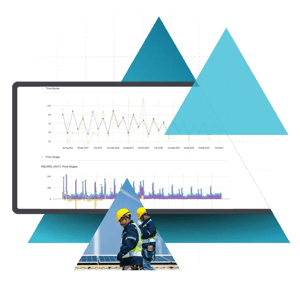
Advance Projects with Greater Confidence

Advance the Right Projects with Confidence.
Understand how long-term nodal prices, congestion, and grid change could affect project revenues before committing development capital or locking in offtake terms.

Defend Investment Decisions with Transparent Assumptions.
Build a credible investment case with traceable nodal history, fundamentals-based forecasts, and documented assumptions that support lender, board, and investment committee scrutiny.

Expose Location Risk Others Miss.
Identify basis risk, volatility, and future congestion by evaluating locations in the context of generation, transmission, and load buildout.

Screen More Opportunities with Less Manual Work.
Compare sites across your development pipeline with a single platform that brings together historical and forecast nodal pricing, infrastructure intelligence, and transaction benchmarks.
Why Customers Trust GridSite Forecasts
- Physically grounded nodal forecasts designed to model future grid evolution, not simply extrapolate historical price relationships
- Long-term hourly nodal LMP forecasts
- Emissions and long-term pricing forecasts generated from a consistent modeling framework
- Transparent assumptions and documented methodologies. Expert market analyst review and update on recurring basis
- Auditable forecasts used to support project financing and long-term investment decisions
- Scenario-based analysis designed to evaluate how load growth, generation buildout, transmission expansion, and policy changes may impact future market outcomes

Assess How Future Market Conditions Could Affect Project Revenues.
GridSite combines long-term nodal price forecasts and locational marginal emissions rate (LMER) forecasts within a single modeling framework. Explore how changing grid conditions could affect prices, congestion, and emissions at potential project locations.
Documented assumptions and a consistent methodology help development and investment teams compare opportunities, evaluate revenue assumptions, and build investment cases they can explain and defend.
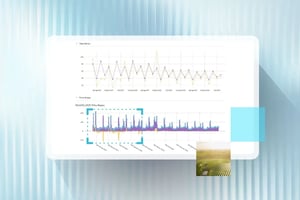
Ground Your Project Analysis in a Representative Market Location.
Use historical nodal pricing, congestion patterns, and volatility metrics to identify and validate proxy nodes for potential projects. Reduce the risk of relying on a favorable price history that does not reflect your project’s likely market exposure.
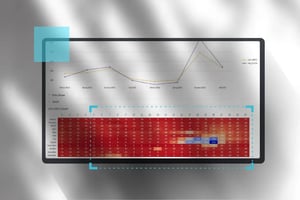
See What Has Shaped Value at a Potential Project Location.
Explore historical nodal prices and congestion to understand volatility, basis risk, and the market conditions behind a location’s performance. Use that context to challenge revenue assumptions and compare sites across your development pipeline.

See How Competing Projects and Infrastructure Changes Could Affect Your Site.
Explore interconnection queues alongside generation, transmission, and load buildout data. Identify planned changes around potential project locations and assess their implications for future congestion, basis risk, and project value.

Test Project Assumptions Against Observed Market Transactions.
Use integrated FERC EQR transaction data and operating asset benchmarks to compare pricing assumptions with reported transactions, assess offtake terms, and put projected project performance in market context.
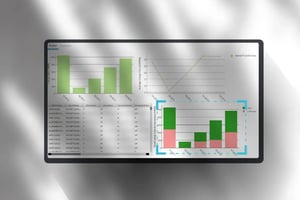
Long-Term Energy Price Forecasting, Down to the Node.
Long-term energy price forecasting estimates how power prices could evolve over decades, helping you evaluate project economics and contract terms across possible future market conditions. Those forecasts depend on assumptions about demand growth, generation additions and retirements, future transmission changes, fuel prices, and policy. GridSite combines capacity expansion planning with nodal production cost modeling to forecast how these factors could affect prices at individual nodes, revealing differences in the outlook for locations within the same zone.

What Clients Are Saying